Choosing the Best Roof for Your Location: Climate Considerations and Material Selection Nov 16, 2026
To start, consider the specifics of your region's climate. If you live in an area with heavy snowfall or harsh winters, durability against weight and temperature fluctuations is essential. On the other hand, if your location experiences intense sunlight and heat, you'd need materials that reflect sunlight and withstand thermal expansion.
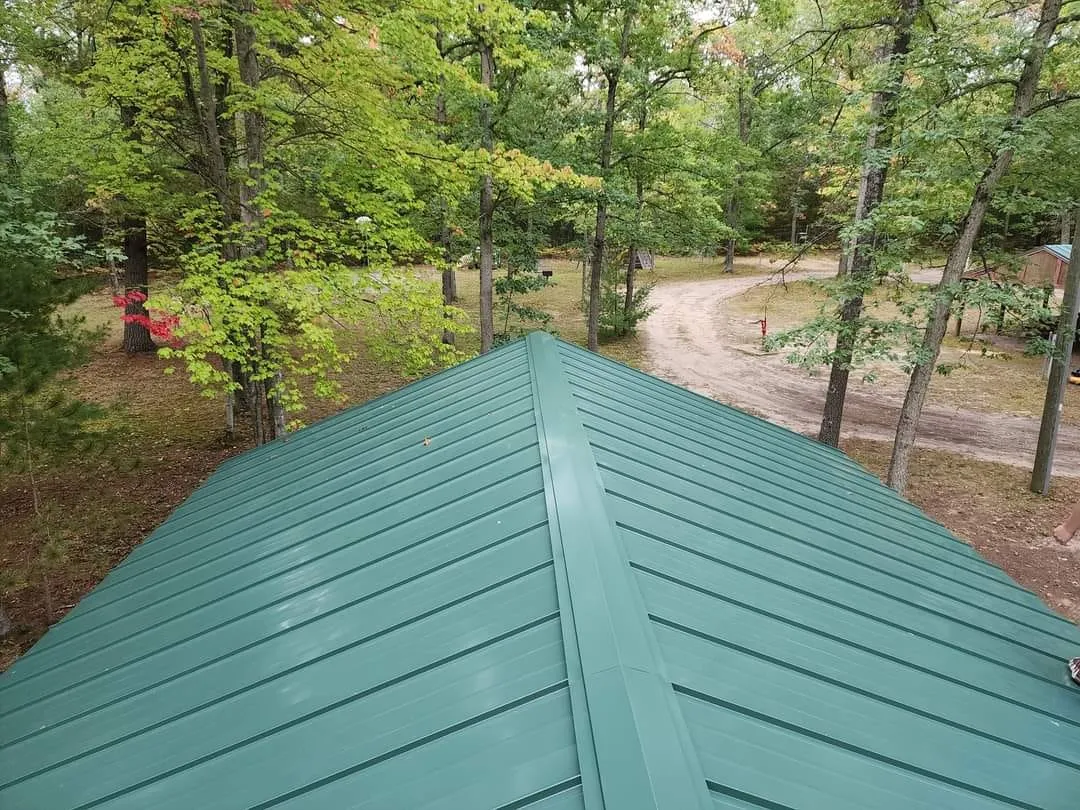
For cold climates, metal roofs are a popular choice. They're resilient against ice and snow, providing a smooth surface that encourages the natural slide-off of precipitation. Metal roofs are also fantastic for heat retention when paired with appropriate insulation, keeping your home warmer during those chilly months. Another viable option is asphalt shingles, known for their ability to endure winter storms and lower initial costs.
In warmer regions, especially those prone to intense UV radiation, lighter-colored materials are more desirable. These roofs help to reflect sunlight, reducing energy costs by keeping your home cooler. Clay tiles are an excellent choice; they're naturally reflective and allow hot air to circulate beneath, preventing heat from seeping into the building. Likewise, concrete tiles resist heat penetration and stand up well to prolonged sun exposure.
For areas where rain is frequent or humidity is high, like Florida or the Pacific Northwest, you'll want materials that resist moisture-related damage. Slate roofing material is nonporous, making it highly resistant to mold and mildew. Additionally, synthetic roofing materials, like rubber slate, offer a similar aesthetic appeal with added water resistance. These materials can ensure longevity in damp climates.
Wind resistance is another factor that shouldn't be overlooked in storm-prone areas. Metal roofs are highly rated for their wind resistance, often enduring wind speeds of up to 140 miles per hour, making them ideal in hurricane-prone areas. Additionally, architectural asphalt shingles are designed to offer greater protection against wind uplift compared to standard shingles.
Regardless of the climate considerations, always weigh the costs versus benefits of each material. While some options might have a higher upfront cost, they also often come with improved durability and lifespan, potentially saving money in the long run.
In conclusion, choosing the right roofing material is about understanding how different options perform against the specific challenges imposed by your local climate. Consultation with professionals, like those at Buck's Exteriors, can provide you with detailed insights and recommendations tailored to your home’s needs. By considering climate compatibility, material durability, and your aesthetic preference, you're ensuring that your roofing investment will be both wise and long-lasting.
With these insights, you're well on your way to not only protecting your home but also optimizing your energy use, making environmentally friendly choices, and ultimately enhancing your property value. Reach out to expert roofers to discuss the best roofing solutions for your specific climate and make an informed decision that you’ll appreciate for years to come.